Trick or Treat Safety
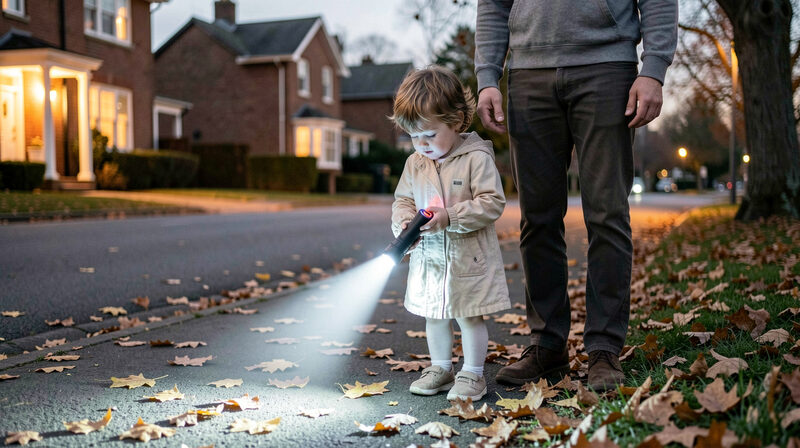
Halloween night is one of the few evenings of the year when children walk the streets after dark and strangers open their doors to them. That is the whole charm of it, and it is also the whole risk. The good news is that the risks are known, small and easy to manage. This page sets out a plain plan for the evening, from the costume to the kitchen table, and adds the part of the night that is hardest on the household's animals.
Be seen before anything else
Most Halloween injuries are road injuries, and almost all of them happen because a driver did not see a child in time. Dress for visibility: light colours where possible, reflective tape on the costume and the bag, and a torch or glow stick for every walker. A dark costume can be made safe in a minute with a strip of reflective tape on the front, the back and the arms. The same rule applies to adults walking with children, who should also be visible.
Plan the route and keep it short
Choose a familiar area and a route that is lit and has pavements. Decide the route before leaving and keep it, rather than wandering. A young child should be with an adult, and an older child going out alone should be in a group, with an agreed route and a time to be home. A charged phone, a note of where the group is going and a check in partway through the evening are simple and effective. Trick or treating in daylight hours, where a local event offers it, removes most of the risk at once.
Make the costume safe to move in
A costume that trips, blinds or restricts is a costume that will cause a fall. Check the length of the hem and the fit of the shoes. Masks block peripheral vision and make it hard to see steps and kerbs, so face paint is the safer choice for young children, and a mask that is worn should be lifted at every crossing. Props such as swords and wands should be soft and short. Where a costume is described as flame resistant, that is a real and useful property, and it is worth checking on any fabric that will pass near a lit pumpkin or a candle.
At the door
A few habits keep the doorstep safe. Only visit houses with a light on, which is the signal that the household is taking part. Stay on the path and do not cut across gardens or driveways. An adult should accompany young children to the door, and children should never enter a stranger's home or accept a lift. If a household is not answering or seems unwelcoming, move on without comment. These are the same courtesies that have always made the custom work, and they protect everyone involved.
The bag and the sweets
Empty the bag onto a table at home and look through it together in good light. Throw away anything unwrapped, anything homemade from a household you do not know, and anything with a torn or unusual wrapper. Small hard sweets and nuts are a choking risk for very young children, so sort those out separately. If a child has a food allergy, read the labels rather than guessing, and keep the safe sweets in a separate container. Many households now offer a non food treat, and the teal pumpkin idea, a pumpkin painted teal to signal that safe alternatives are available, has become a common and useful signal for families managing allergies.
Pumpkins, candles and the path home
Use a battery light or an LED candle inside a carved pumpkin rather than a flame, and keep any real candle well away from costumes and paper decorations. Keep the path and the steps clear, because a lit pumpkin on a step is exactly the sort of thing a running child will trip over. If a display includes cables, tape them down or route them out of the walking line. A few minutes of tidying before dark prevents most doorstep accidents.
The animals
Halloween is genuinely hard on pets. The doorbell rings all evening, masked strangers appear at the door and sweets are left within reach. Chocolate contains substances that dogs cannot process, and raisins and grapes can cause serious harm. Xylitol, a sweetener found in some sugar free sweets and chewing gum, is dangerous to dogs in very small amounts. The safest routine is to settle the pet in a quiet room away from the door with its own food, water and bed, and to keep every sweet, wrapper and candle out of reach. A pet that is anxious, or that has a history of bolting, is better kept indoors with the curtains drawn.
A note for hosts
The household answering the door carries part of the evening too. A lit path, a clear step and a bowl within easy reach make the visit quick and safe for everyone. Sweets should be individually wrapped where possible, and a non food option is worth having for children who cannot eat them. Keeping a candle away from the doorway, and using a battery light in the pumpkin, removes the one serious fire risk of the night. A host who plans for thirty seconds of tidying before dark has done almost all of the work.
Put it together
The practical checks used here follow the guidance published by Safe Kids Worldwide for Halloween, and the food warnings for animals follow the list of human foods to avoid feeding pets published by the ASPCA Animal Poison Control Center. None of it needs to make the night tense. A visible costume, a short familiar route, a lit porch and a bag checked at the kitchen table are all it takes. The costume side of the evening, and how it changed over the decades, is covered in Halloween costumes through the decades.